

Wooden Printing Blocks for Architectural Decor
Introduction
In today’s competitive design landscape, architects are constantly searching for ways to create distinctive, memorable spaces. One of the most effective ways to achieve this is through surface detailing. Wooden printing blocks—especially large 4 to 6 inch blocks—are emerging as a powerful design element for architectural decoration, offering a perfect blend of traditional craftsmanship and modern aesthetics.
Why Wooden Blocks Are Ideal for Architectural Design
Wooden printing blocks bring texture, depth, and character to otherwise plain surfaces. Unlike machine-made finishes, these handcrafted elements introduce a natural variation that enhances the overall visual appeal of a space. For architects, this means the ability to design environments that feel authentic, warm, and unique.
Large wooden blocks are particularly effective for architectural use because they create bold and visible impressions, making them suitable for doors, walls, and large surfaces. Their scale ensures that the design remains impactful even from a distance, which is crucial in spaces like hotel entrances, villas, and farmhouses.
Applications in Modern Architecture
One of the most popular uses of wooden printing blocks is on main entrance doors. A well-designed door sets the tone for the entire property, and block patterns can transform it into a statement feature. Whether it’s a symmetrical geometric layout or a central motif, these designs create a strong first impression.
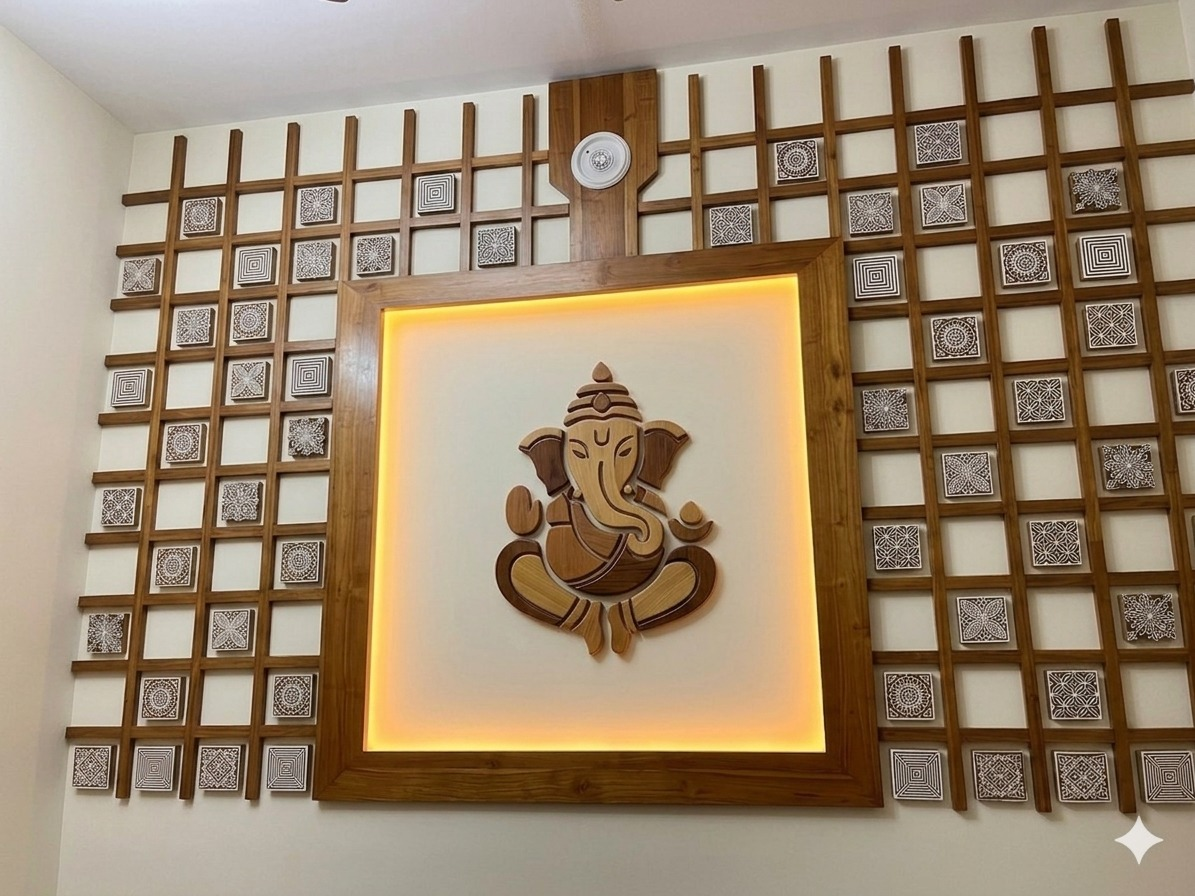
Beyond doors, wooden blocks can also be used on feature walls, panels, and decorative grids. As seen in contemporary interiors, combining structured wooden frameworks with traditional block patterns creates a striking fusion of modern architecture and heritage design. This approach is particularly effective in luxury homes, boutique hotels, and curated commercial spaces.
Enhancing Guest Experience Through Design
In architectural projects such as villas, resorts, and farmhouses, design is not just about appearance—it’s about experience. Wooden block patterns add a tactile and visual richness that enhances how a space is perceived. Guests and visitors often notice these handcrafted details, making them an important part of the overall ambiance.
By incorporating traditional block designs into modern spaces, architects can create environments that feel both rooted and refined, offering a unique identity to each project.
Sustainability and Craftsmanship
Another key advantage of wooden printing blocks is their alignment with sustainable and artisanal design practices. Made from natural wood and reusable over multiple applications, these blocks support eco-conscious construction methods. Additionally, they promote traditional craftsmanship, which is increasingly valued in high-end architectural projects.
Design Flexibility for Architects
Wooden blocks offer immense flexibility in design. Architects can experiment with:
- Repetitive patterns for a uniform look
- Random placements for a more organic feel
- Minimal accents or full-surface coverage
They can also be combined with materials like wood, stone, concrete, and lime plaster, allowing seamless integration into different architectural styles.
Conclusion
As architecture continues to evolve, the importance of unique surface detailing cannot be overlooked. Wooden printing blocks provide architects with a versatile and impactful tool to enhance doors, walls, and interior spaces.
By incorporating these handcrafted elements, architects can transform ordinary surfaces into signature design features, creating spaces that are not only visually appealing but also rich in character and cultural value.